Skip to content
 Braces for Adults: Am I Too Old to Straighten My Teeth?
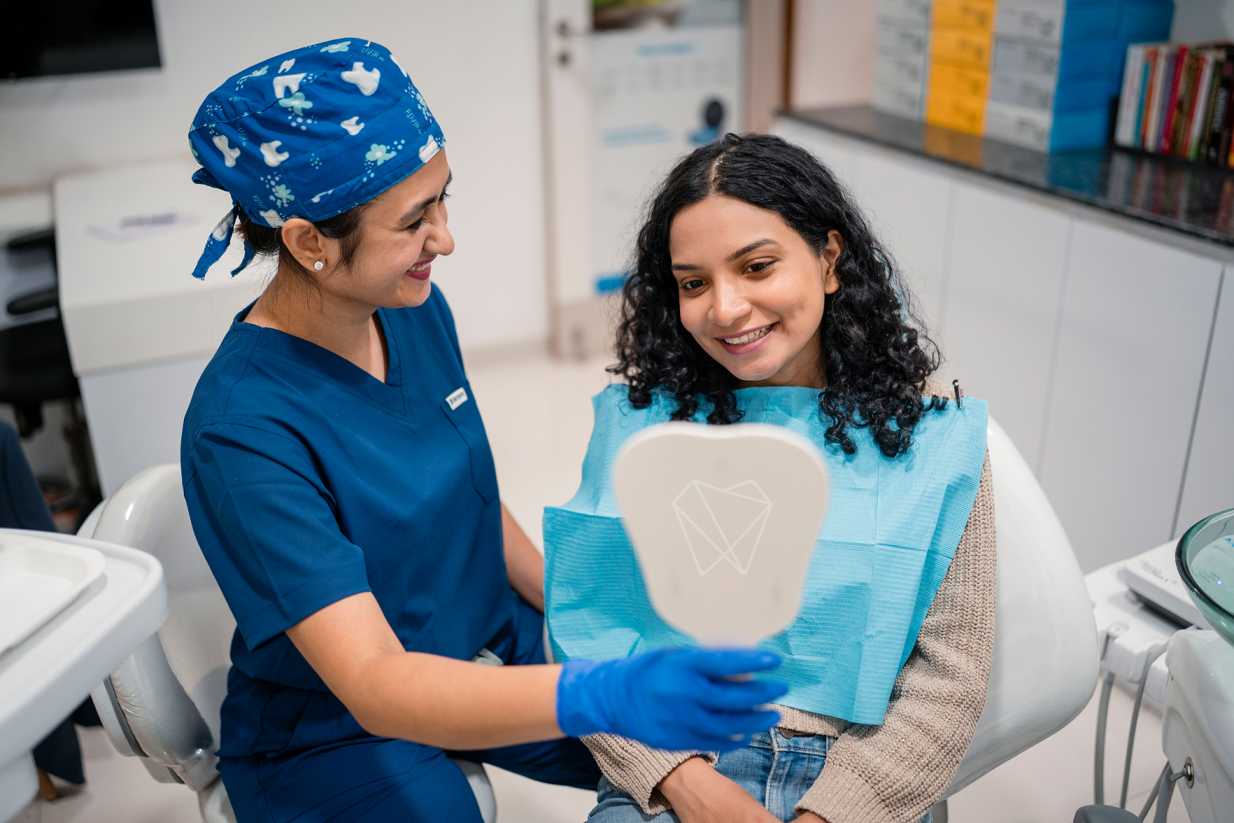
No. Braces for adults work, and there’s no upper age limit. Teeth move the same way at 45 as they do at 15: gentle, steady pressure makes the bone on one side give way and new bone fill in behind. What matters isn’t your age. It’s whether your gums and the bone holding your teeth are healthy.
We see adults in their twenties, thirties, forties and older every week in Baner. Here’s what’s different for you compared with a teenager, and what isn’t.
Why so many adults are getting braces now
Most adults who come to us fall into one of three groups.
- They never had treatment as children. Braces weren’t common, or the family had other priorities. The crowding they had at 12 has usually got a little worse since.
- They had braces, but the teeth moved back. Usually because they stopped wearing their retainer. This is very common, and very fixable.
- Their dentist sent them. Crooked or crowded teeth are harder to clean, trap food and wear unevenly. Sometimes teeth need straightening before a crown, bridge or implant can go in properly.
Looks are part of it for most people, and that’s a perfectly good reason. But for a lot of adults the real driver is function: a bite that’s wearing teeth down, food packing between crowded teeth, or gums that keep getting inflamed in one spot.
What’s actually different about braces for adults
Your jaw has stopped growing. In children we can use growth to help, for example by widening a narrow upper jaw. In adults the bones are set, so we move teeth within the jaw you have. For most crowding, gaps and mild bite problems, that’s enough. For severe jaw mismatches, an orthodontist may talk to you about combining braces with jaw surgery, but that’s a small minority of adults.
Your gums matter more. Adults are more likely to have some gum disease, even without knowing it. Moving teeth through inflamed gums can make bone loss worse, so we check your gums first and treat any problem before we start. If your gums bleed when you brush, read our guide to bleeding gums before your consultation.
You may have old dental work. Crowns, large fillings, root canal treated teeth and missing teeth all change the plan. None of them stop treatment. They just mean planning around them.
Treatment can take a little longer. Adult bone is denser, so teeth can move a bit more slowly. In practice the difference is often a few months, not years. Most adult cases still finish in somewhere between 12 and 24 months, depending on how much needs to move.
Which type of braces suits an adult
You have more choice than you might think.
| Option | What it looks like | Good to know |
|---|---|---|
| Metal braces | Small silver brackets and a wire | Most robust, handles complex movements well |
| Ceramic braces | Tooth-coloured brackets | Much less noticeable at a normal talking distance |
| Self-ligating braces | Brackets with a built-in clip instead of elastic ties | Fewer parts to trap food, often easier to keep clean |
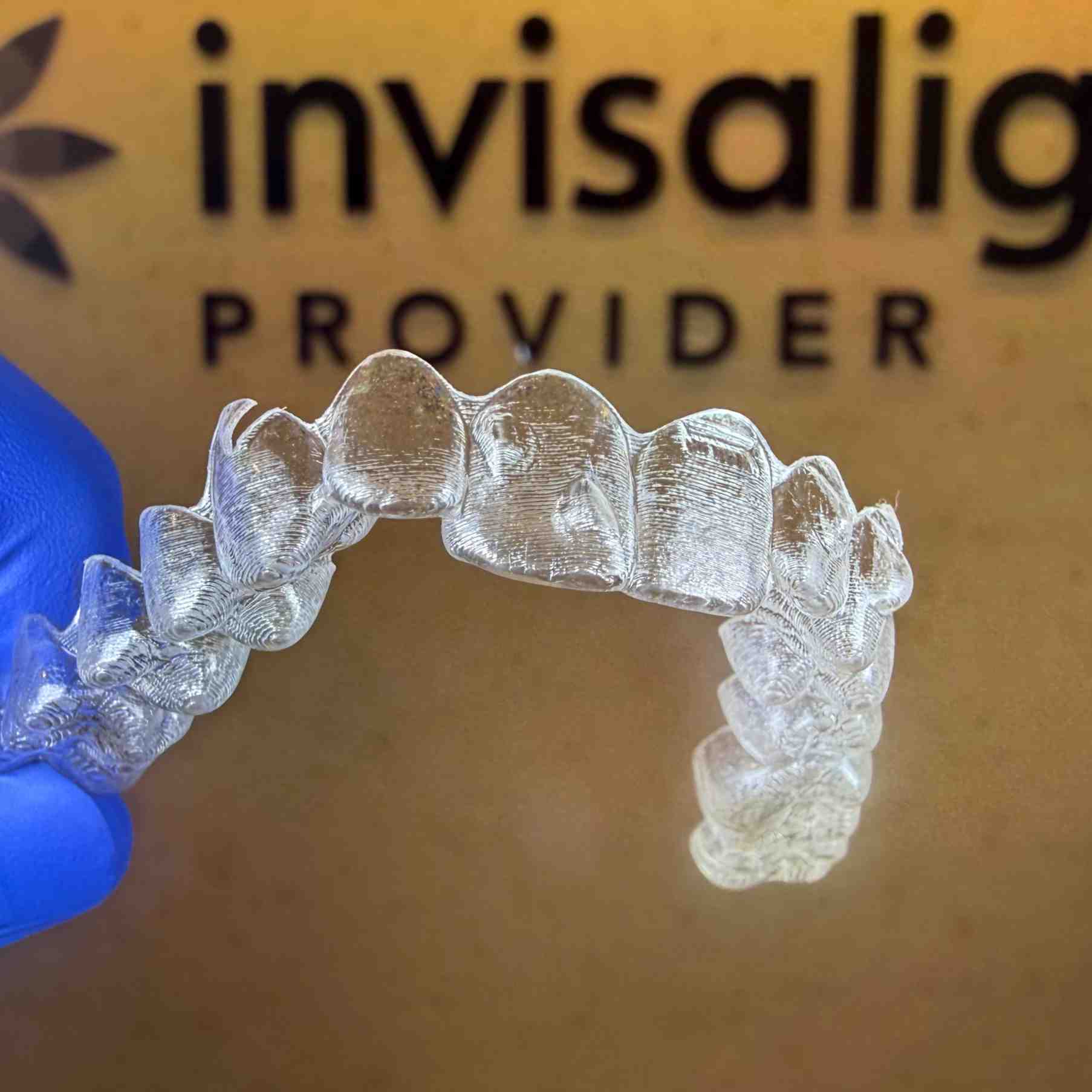
| Clear aligners (Invisalign) | Removable clear trays | Nearly invisible, but only work if you wear them 20–22 hours a day |
Many working adults ask for something discreet. Ceramic braces and clear aligners are the usual choices. If you’re weighing those two, our post on Invisalign vs braces for working professionals goes through the trade-offs in detail. You can also see a real example in our ceramic braces case study for an adult patient.
What the first visit involves
The first appointment is a conversation and an examination, not a commitment.
- We listen first. What bothers you, what you’d like to change, and what your work and life look like, because that affects which option will actually suit you.
- We check your teeth and gums. Gum health decides whether you can start now or need gum treatment first.
- We take records. At House of Tooth we use an iTero 3D scanner instead of messy moulds, plus X-rays and photographs.
- We explain your options. Usually there’s more than one way to get a good result. We’ll tell you what each involves, how long it’s likely to take, and what we’d recommend.
Will it hurt? Will people notice?
Expect your teeth to feel sore and tender for two or three days after the braces go on and after each adjustment. Soft food and an over-the-counter painkiller usually cover it. The brackets can rub the inside of your lips for the first week or two, and orthodontic wax helps until your mouth toughens up.
As for being noticed: with ceramic braces, most people you talk to won’t spot them unless they’re looking. With aligners, almost nobody will. Plenty of our adult patients are teachers, lawyers and people in client-facing jobs.
The part adults forget: retainers
When the braces come off, your teeth will try to drift back. That’s true at every age. Everyone who finishes treatment needs a retainer, and for adults we usually recommend wearing one at night for the long term. It’s the single thing that decides whether your result lasts.
If you had braces as a teenager and your teeth have moved since, this is almost always why. The good news is that relapse is usually milder than the original problem, so a second round of treatment is often shorter.
Common questions about braces for adults
Is 40 too old for braces? No. We treat patients in their forties and fifties. If your gums and bone are healthy, age itself isn’t a barrier.
Do I need to have teeth removed? Sometimes, if there isn’t enough space, but far less often than many adults expect. We’ll explain why if it’s needed. This guide to extractions before braces covers when and why.
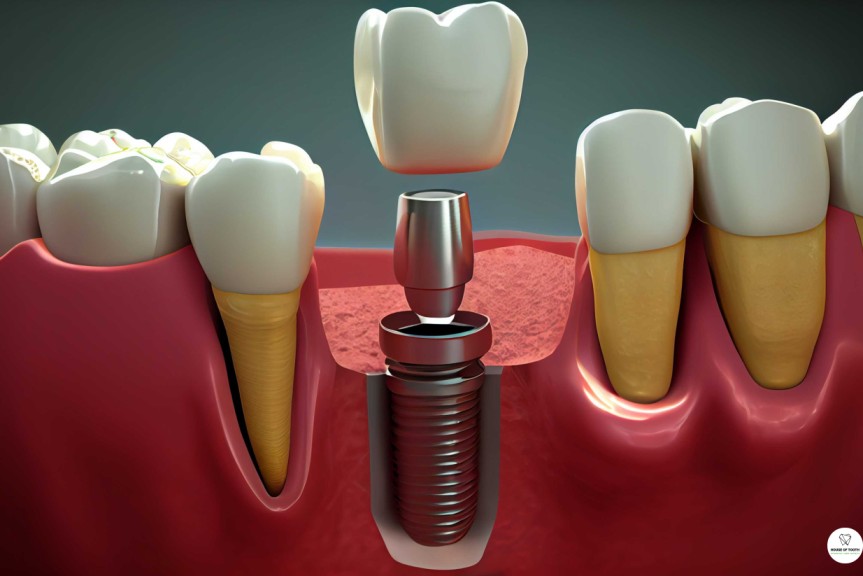
Can I get braces if I have crowns or implants? Yes, in most cases. Implants don’t move, so we plan around them. Brackets can be bonded to crowns with a different technique.
How often will I need to come in? Usually every four to eight weeks, and appointments are short. We’re open evenings and Sundays, which helps if you work during the day.
Book a consultation
If you’ve been putting this off because you thought you’d left it too late, you haven’t. Come in for a consultation and we’ll tell you honestly what’s possible and how long it will take.
House of Tooth, Lane No. 4, behind Balewadi High Street, Baner, Pune 411045. Open Monday to Saturday 10 am – 8 pm, Sunday 10 am – 7 pm. Call or WhatsApp +91 70196 02137, or book online. See all our braces and aligner options.
About the author. Dr. Bhakti Halapanavar is a gold-medalist orthodontist, BDS, MDS (Orthodontics & Dentofacial Orthopedics) and an Invisalign-certified provider at House of Tooth in Baner, Pune. She treats children, teenagers and adults with braces and clear aligners.