Orthodontics for children, teens and adults · Baner, Pune

Braces Treatment in Baner, Pune

Straighten crowded, gapped or protruding teeth and correct your bite with metal, ceramic or self-ligating braces, planned and fitted by our MDS orthodontists. For children, we also guide jaw growth early, while it is easiest to correct.
  • Metal, ceramic and self-ligating braces
  • Most treatments take 12–24 months
  • For children, teenagers and adults
  • Led by MDS orthodontists
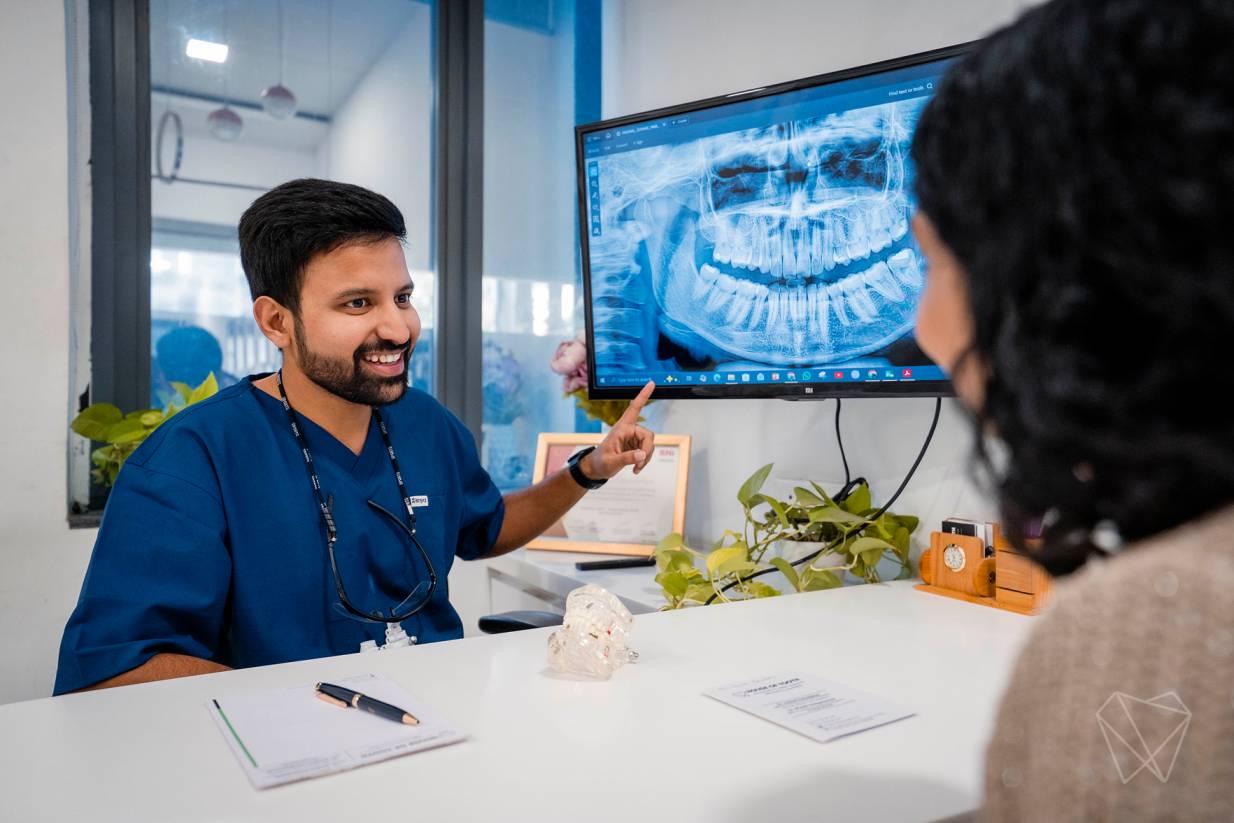
Orthodontic consultation with a digital X-ray at House of Tooth, Baner

See the difference

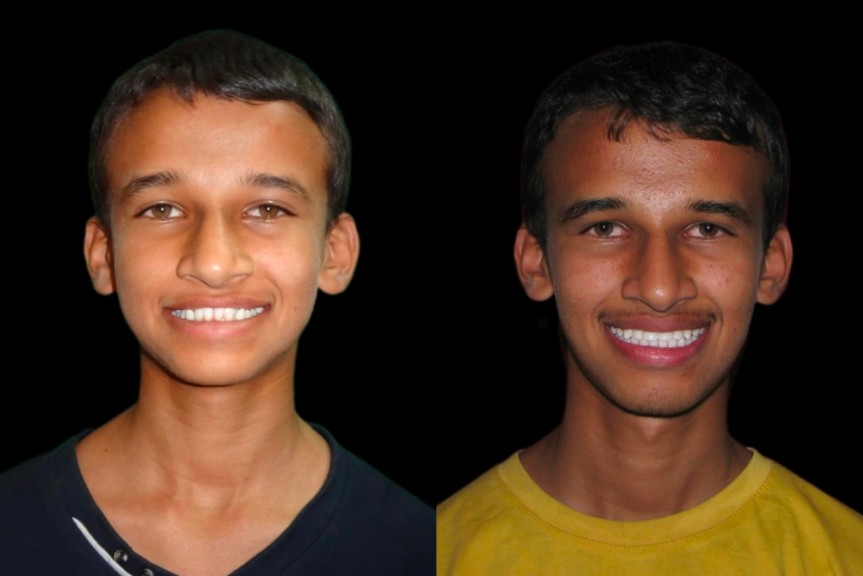
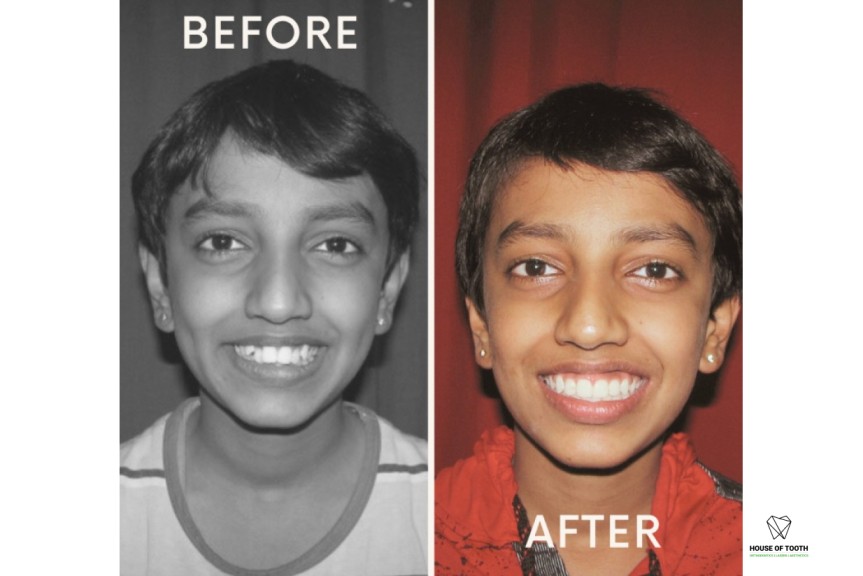
Real results, real patients
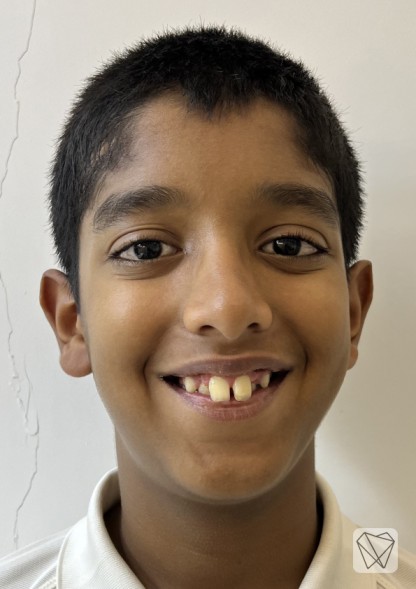
BeforeAfter

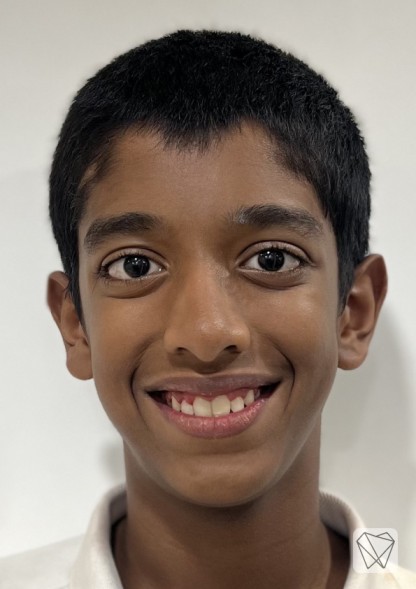
Shoumik: braces completed in 14 months

Drag the slider to compare before and after.

For parents

When should my child see an orthodontist?

Orthodontists recommend a first check-up around age 7. Some problems, like a narrow upper jaw or a lower jaw that sits ahead of the upper, are easier to correct while a child is still growing, using appliances such as an expander or a face mask before braces.

Shoumik’s result shows what braces can do in the teenage years; for younger children, an early check means we can plan the right treatment at the right time.

Types of braces

Choose the braces that suit you

Your orthodontist will explain which option fits your teeth, your lifestyle and how you want your braces to look.
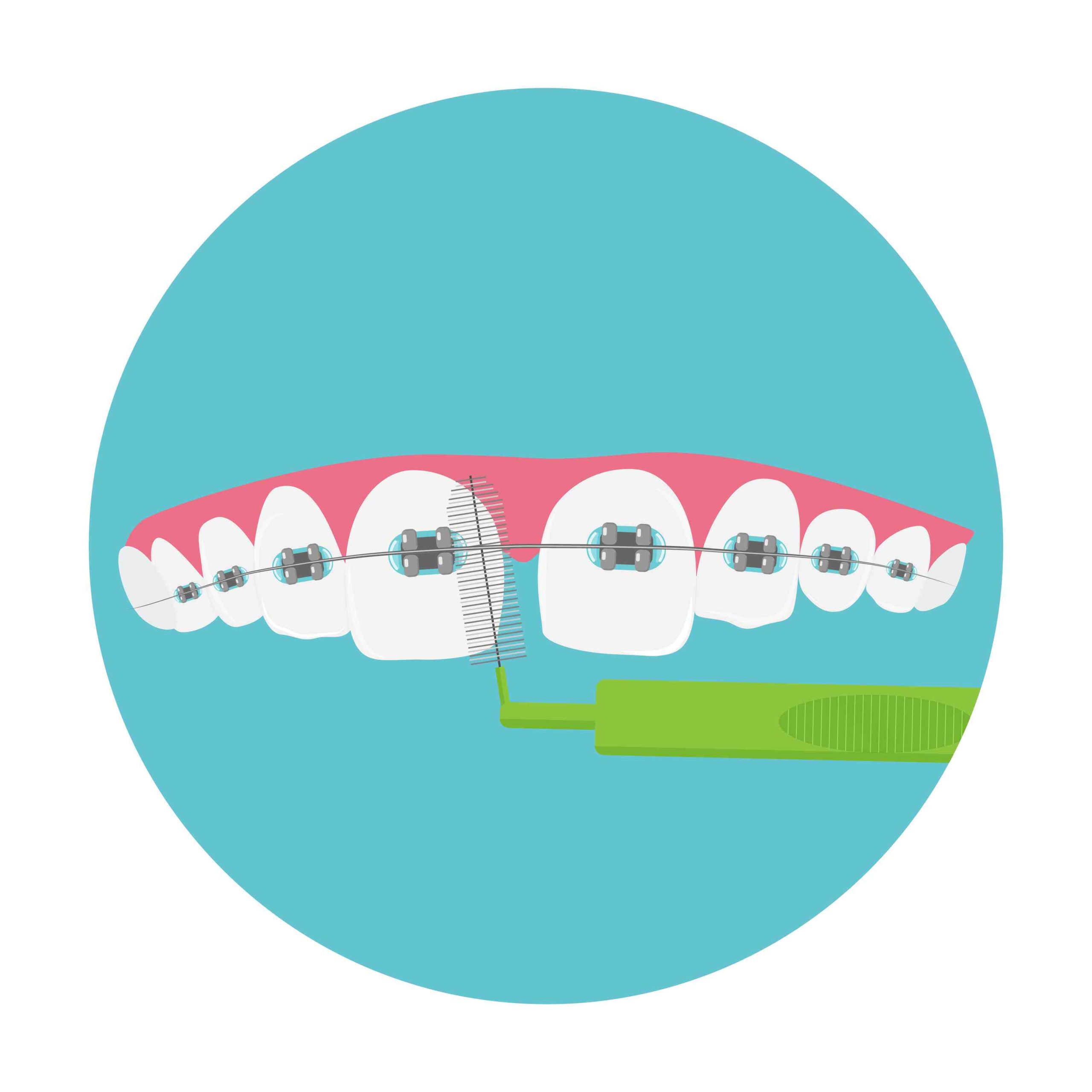
Metal braces at House of Tooth, Baner

Metal braces

Strong stainless-steel brackets and wires. Very durable and suitable for simple and complex cases. Children often enjoy choosing coloured elastics.

Ceramic braces at House of Tooth, Baner

Ceramic braces

Tooth-coloured brackets that blend with your teeth, so they are much less noticeable. Popular with teenagers and adults.

Self-ligating braces at House of Tooth, Baner

Self-ligating braces

Brackets with a built-in clip instead of elastic ties, designed to move teeth smoothly and comfortably.

Prefer no brackets?

Invisalign clear aligners

Clear, removable aligners for many of the same problems. See Invisalign.

What braces can correct

Problems we treat with braces

Braces can help with

  • Crowded or overlapping teeth
  • Gaps between teeth
  • Protruding (forward) front teeth
  • Overbite, underbite, crossbite and open bite
  • Teeth that have moved again after earlier treatment

Good to know

  • There is no upper age limit: many adults have braces
  • Sometimes teeth need to be removed to make space; often they do not
  • Retainers after treatment keep your teeth straight

How braces treatment works

Your treatment, step by step

Step 1

Consultation

Your orthodontist examines your teeth, bite and jaws, and takes records such as digital scans, photos and X-rays.

Step 2

Your plan

We explain what needs to move, the braces options and roughly how long treatment should take, and answer your questions.

Step 3

Fitting your braces

Brackets are bonded to your teeth and the wire is placed. It does not hurt; your teeth may feel sore for two or three days.

Step 4

Adjustment visits

You come in regularly so we can adjust the wires and check progress. Teeth can feel tender for a couple of days afterwards.

Step 5

Retainers

When your braces come off, retainers hold your teeth in their new position.

Real results

Braces patients at House of Tooth

Every case is different, so your timeline depends on what needs to move and how well you look after your braces.
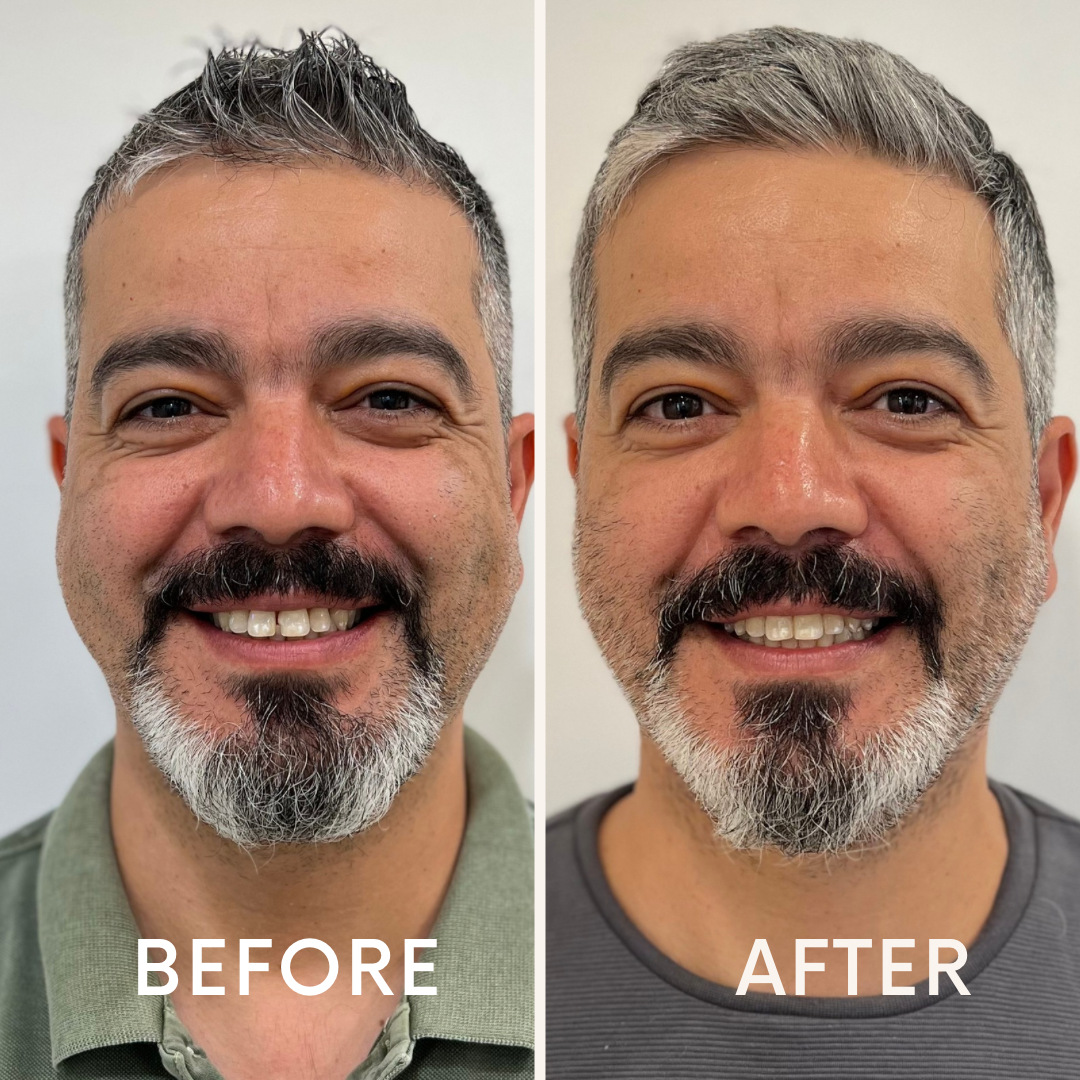
Braces patients at House of Tooth: Teenager, 13 · crowded teeth

Teenager, 13 · crowded teeth

Aligned with self-ligating braces.

Braces patients at House of Tooth: Adult, 32 · crowding

Adult, 32 · crowding

Treated with discreet ceramic braces.

Braces patients at House of Tooth: Child, 11 · lower teeth ahead of upper

Child, 11 · lower teeth ahead of upper

Upper jaw expanded and brought forward with a face mask.

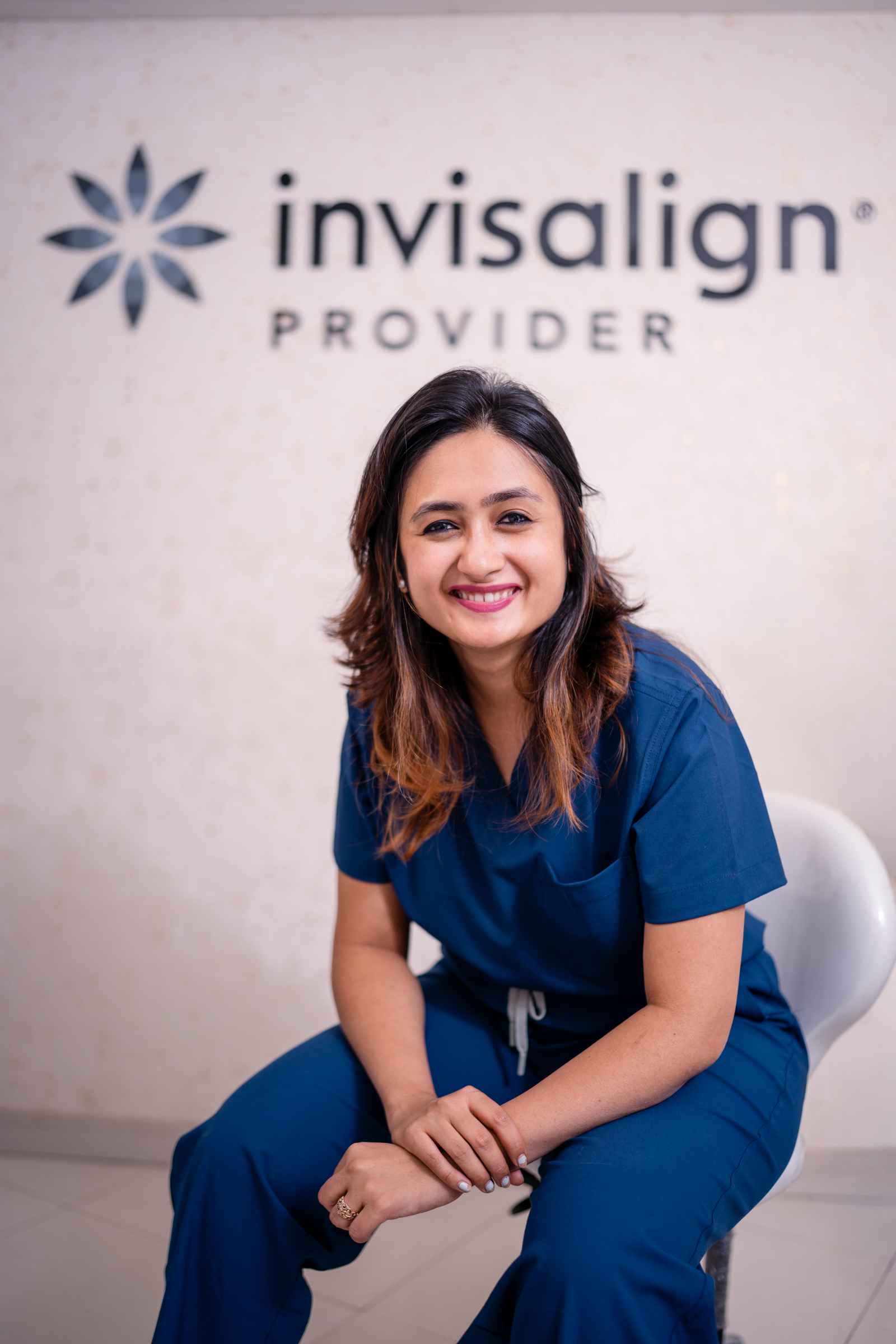
Dr. Bhakti Halapanavar, orthodontist at House of Tooth

Your doctor

Dr. Bhakti Halapanavar

BDS, MDS (Orthodontics & Dentofacial Orthopedics) · Gold medalist · Invisalign-certified orthodontist

Dr. Bhakti specialises in straightening teeth and guiding jaw growth in children, teenagers and adults, and is known for making young patients feel at ease. Braces at House of Tooth are provided by our two MDS orthodontists, Dr. Bhakti and Dr. Aniket Kasodekar.

During your treatment

Braces do’s and don’ts

Do

  • Brush carefully after meals, around every bracket and along the gumline
  • Clean between your teeth with an interdental brush or floss threader
  • Cut harder foods like apples into small pieces
  • Wear your elastics exactly as your orthodontist advises
  • Use orthodontic wax if a bracket or wire rubs your cheek
  • Wear a mouthguard for contact sports
  • Keep every adjustment appointment
  • Call us if a bracket comes loose or a wire pokes

Don’t

  • Don’t eat hard foods such as nuts, hard sweets, chikki or ice
  • Don’t eat sticky foods such as toffee or chewing gum
  • Don’t bite your nails, pens or other objects
  • Don’t pull or bend the wires yourself
  • Don’t have sugary fizzy drinks often; they increase the risk of marks around brackets
  • Don’t stop wearing your retainers after treatment

Questions patients ask

Braces FAQs

Most treatments take 12–24 months, depending on how much your teeth need to move. For example, Shoumik’s braces treatment at House of Tooth was completed in 14 months. Your orthodontist will give you an estimate after your consultation.
Fitting braces does not hurt. Your teeth may feel sore and tender for two or three days after the braces go on and after each adjustment. Soft foods help during those days.
Orthodontists recommend a first check-up around age 7, so problems with jaw growth can be spotted early. Many children start braces once most of their permanent teeth have come through. When should my child get braces?
No. Teeth can be moved at any age as long as the gums and bone are healthy, and many of our patients are adults. Braces for adults
All three work well. Metal braces are the most durable, ceramic braces are tooth-coloured and less noticeable, and self-ligating braces use a built-in clip instead of elastic ties. Ceramic vs metal braces
Both can treat crowding, gaps and many bite problems. Braces are fixed and work all the time; Invisalign aligners are clear and removable but need to be worn 20–22 hours a day. Learn about Invisalign
Yes, braces are often used to bring forward teeth back into line and improve the bite. Braces for protruding teeth
Not always. Sometimes removing teeth is the best way to make space; often it is not needed. Your orthodontist will explain why before any decision. When extractions may be needed
Yes. Teeth tend to drift back, so retainers are worn full-time for a few months and then usually at night. How long to wear retainers
Book a consultation using the calendar below, or WhatsApp or call us. Your orthodontist will examine your teeth and explain your options and likely timeline.

Book your consultation

Start your braces treatment

Choose a day and time that suits you. At your consultation your orthodontist will examine your teeth and bite and explain your options. Prefer to talk first? WhatsApp or call us.

Loading available times…