Skip to content
Diwali Sweets and Your Teeth: How to Enjoy the Festival Without the Toothache

You don’t have to give up Diwali sweets to protect your teeth. What matters most is how often you eat them, and what you do afterwards. A few simple habits let the whole family enjoy the festival and still avoid cavities and broken teeth.
During Diwali, boxes of mithai arrive at every door. Children snack on laddoos, chakli and chocolates all day. As a result, the weeks after the festival are when many families notice sensitive teeth or a new cavity. Here is how to avoid that.
Why sweets cause cavities
Bacteria in your mouth feed on sugar and produce acid. That acid softens the outer layer of the tooth. Every time you eat something sweet, the acid attack lasts for some time afterwards.
So the real problem is frequency. One plate of sweets after lunch does less harm than nibbling a little every hour, because each nibble starts a new acid attack.
Which Diwali treats are hardest on teeth?
| Treat | Why it is a problem | Better approach |
|---|---|---|
| Sticky sweets (gulab jamun, jalebi, chikki) | Sugar clings to the grooves of the teeth | Eat with a meal, then rinse with water |
| Hard sweets and candies | Can chip or crack a tooth | Break into small pieces; don’t bite hard |
| Dry fruit chikki and brittle | Hard and sticky together | Small pieces, chewed gently |
| Sweet drinks and sherbets | Sugar bathes all the teeth | Drink with meals, not sipped all day |
| Fried snacks (chakli, chivda) | Starch sticks between teeth | Clean between teeth at night |
Seven simple habits for a healthy Diwali
- Eat sweets with meals, instead of snacking on them all day.
- Rinse with water straight after sweets, especially if you can’t brush.
- Brush twice a day with fluoride toothpaste, even on busy festival days.
- Don’t brush immediately after sweet drinks. Rinse first, and wait a little before brushing.
- Clean between your teeth every night with floss or an interdental brush.
- Don’t crack nuts or hard sweets with your teeth. Break them by hand.
- Keep water handy at parties, and drink it in between the treats.
Tips for children
Children love Diwali sweets, so a total ban rarely works. Instead, set “sweet times”, for example after lunch and after dinner, rather than all day. Also, brush their teeth for them, or check their brushing, until about age 7 or 8.
Baby teeth matter, too. A cavity in a baby tooth can cause pain and infection, so read does my child need a filling for a baby tooth? and our guide to daily dental habits for kids.
Wearing braces or Invisalign?
With braces, hard and sticky sweets are the main risk. Chikki, hard candies and caramel can bend the wire or knock a bracket loose. Soft sweets such as rasgulla or kheer are safer. Our Indian food guide for braces has a full list.
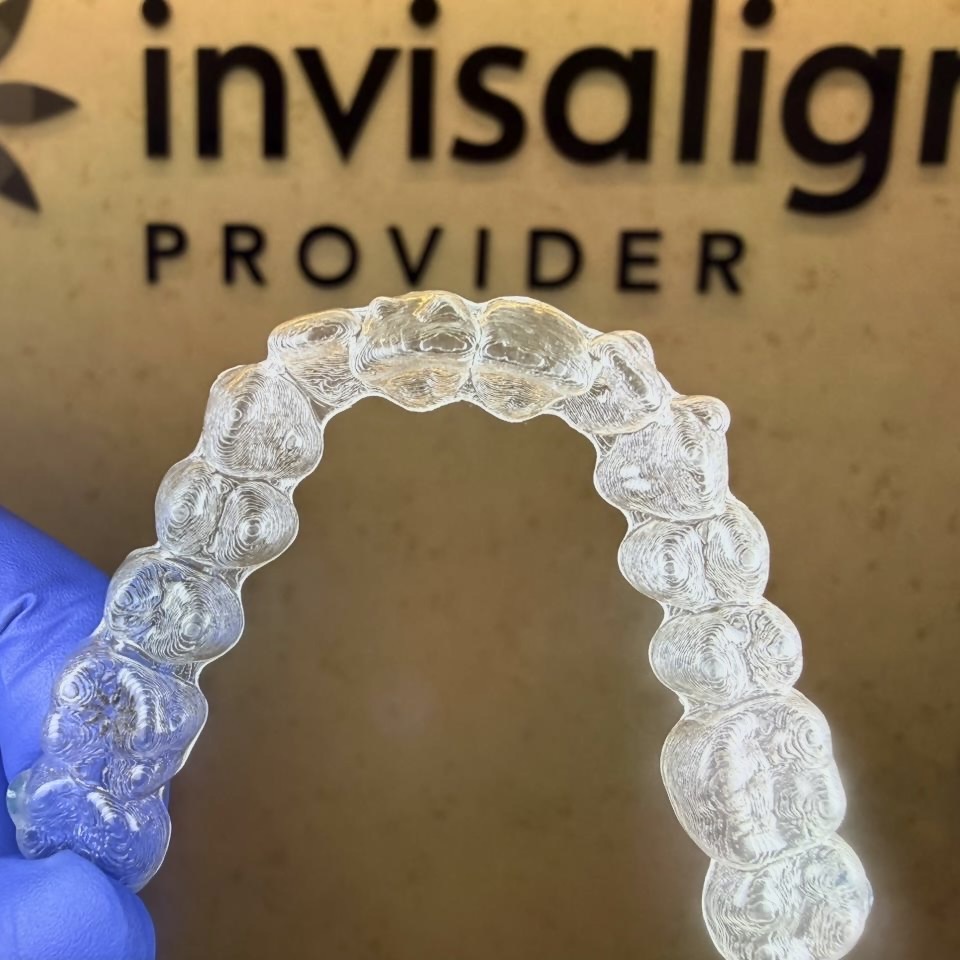
With Invisalign, always take your aligners out before eating sweets. Then rinse or brush before you put them back, otherwise sugar stays trapped against your teeth. Read more in tea, coffee and Invisalign.
What if a tooth chips or starts hurting?
If you chip a tooth on a hard sweet, keep any broken piece and rinse your mouth with water. If a tooth becomes sensitive to sweets or cold, that can be an early sign of a cavity. Our guide on what to do in a dental emergency explains the next steps.
Book a post-Diwali check-up
After the festival, a quick check-up and cleaning is a good way to catch any small problems early. For children, ask us about fluoride and sealants that help protect their teeth.
House of Tooth, Lane No. 4, behind Balewadi High Street, Baner, Pune 411045. Call or WhatsApp +91 70196 02137, or book online. See children’s dentistry at House of Tooth.
About the author. Dr. Bhakti Halapanavar is a gold-medalist orthodontist, BDS, MDS (Orthodontics & Dentofacial Orthopedics) and an Invisalign-certified provider at House of Tooth in Baner, Pune.