Skip to content
 Dental Implant Recovery: What to Expect, Day by Day
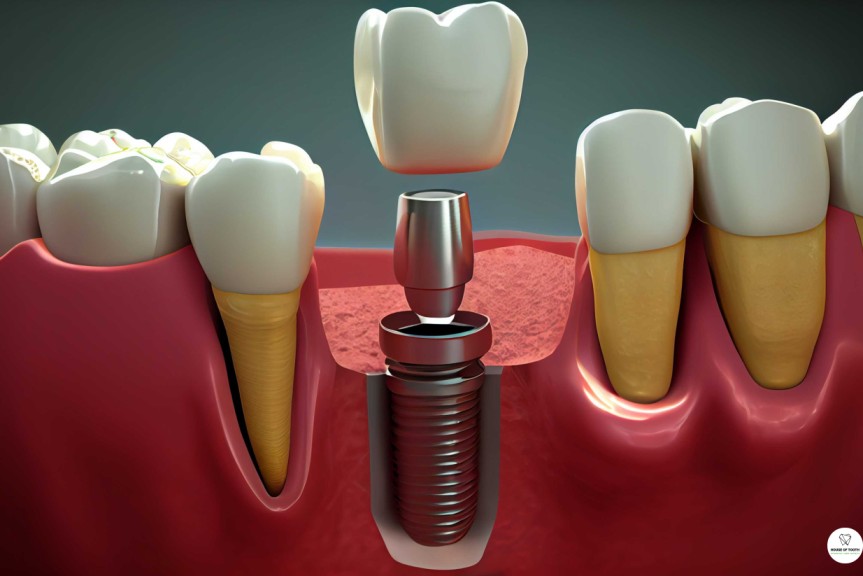
Most people find dental implant recovery easier than they expected. The first 48 hours involve some swelling and soreness, most patients are back at work within two or three days, and the gum heals over in about two weeks. The longer part is invisible: the implant bonding to your jawbone, which takes three to six months.
Here’s what each stage actually feels like, and what should make you pick up the phone.
The day of surgery
You’ll be numb for two to four hours afterwards. Don’t test it by eating — it’s remarkably easy to bite your own cheek while you can’t feel it.
Expect some oozing for the first several hours. That’s normal. Bite gently on the gauze, change it when it soaks through, and don’t keep lifting it to check. Sit upright rather than lying flat, and put an ice pack on the outside of your cheek in twenty-minute stretches.
Take the painkillers before the anaesthetic fully wears off. Chasing pain that’s already started is harder than staying ahead of it.
Eat something cool and soft once the numbness goes — yoghurt, dal, khichdi, ice cream. Nothing hot, nothing with seeds or grains that can lodge in the site, and no straws.
Days 1 to 3
This is the peak. Swelling usually maxes out around day two or three, not day one, so don’t be alarmed when you look worse on Wednesday than you did on Monday. Bruising on the cheek or jaw happens to some people and looks more dramatic than it is.
Keep to soft food. Start gentle salt-water rinses after the first 24 hours — a teaspoon in a glass of warm water, let it fall out of your mouth rather than spitting forcefully.
Brush your other teeth normally. Avoid the surgical site itself until we tell you otherwise.
Most patients take two or three days off work. If your job is physical, take longer.
Days 4 to 14
Swelling settles, and soreness fades to an occasional twinge. You’ll gradually widen what you eat, though stay off the surgical side for anything that needs real chewing.
Stitches, if you have them, either dissolve or come out at around a week to ten days. We’ll see you for a check in this window.
By two weeks the gum has closed over and most people have forgotten they had surgery.
Months 1 to 6: the part you can’t feel
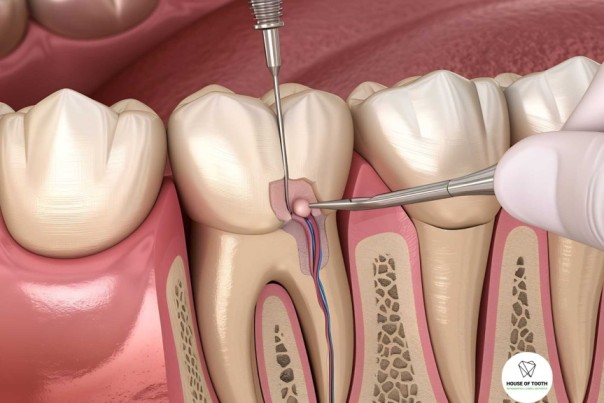
This is osseointegration — bone growing onto the implant surface and locking it in place. It’s the whole reason implants work, and nothing about it is dramatic. You won’t feel it happening.
It takes roughly three months in the lower jaw and up to six in the upper, where the bone is softer. If you needed a bone graft or a sinus lift, add a few months.
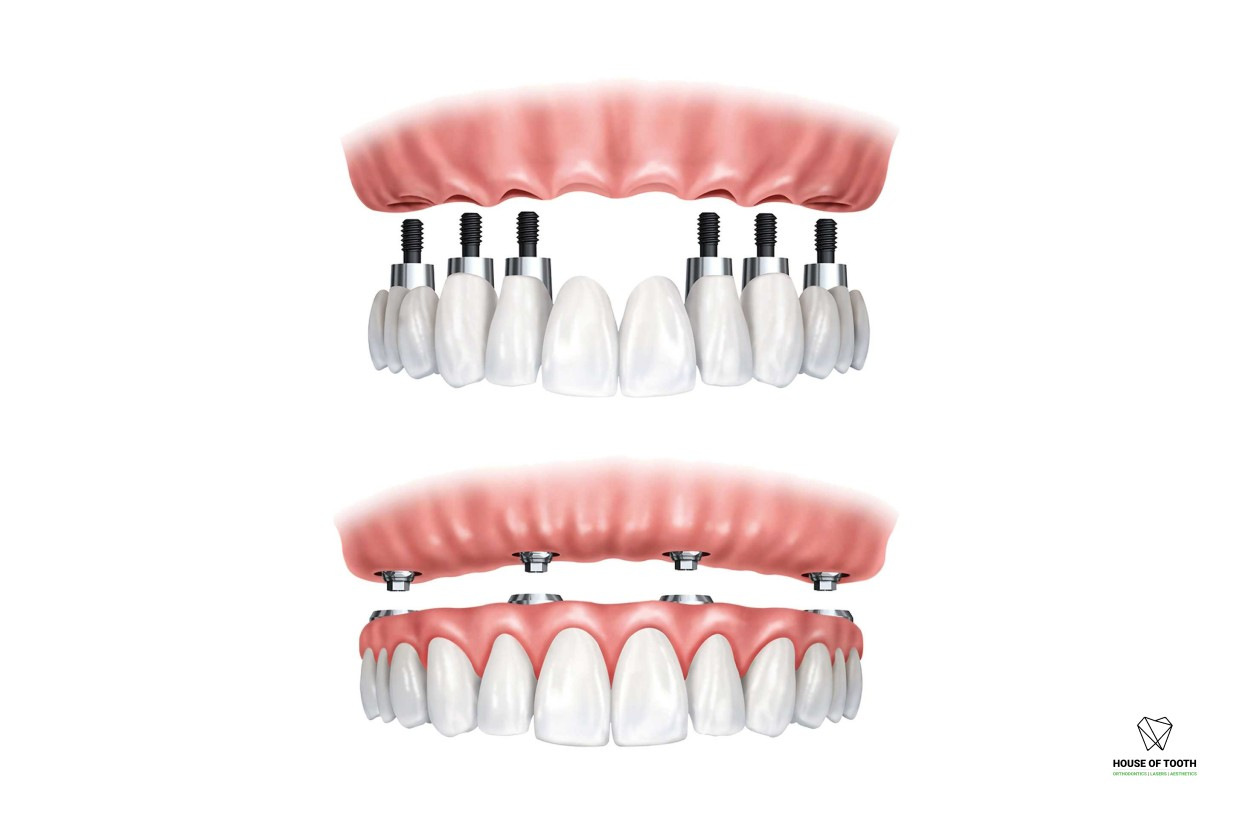
During this time you may be wearing a temporary. If you’ve had a full-arch case, you’ll usually have had fixed temporary teeth within days of surgery — that’s the “teeth in a week” you’ll see advertised, and it’s real, but it’s the temporary stage, not the final one.
Your permanent crown or bridge goes on at the end.
What’s normal, and what isn’t
| Normal | Call us |
|---|---|
| Swelling peaking on day 2–3 | Swelling that’s still increasing after day 4 |
| Oozing for several hours | Bleeding that won’t stop after 30 minutes of firm pressure |
| Soreness easing from day 3 | Pain that gets worse after day 4, or suddenly returns later |
| Bruising on the cheek or jaw | Fever, or pus and a bad taste |
| A dull ache when the anaesthetic wears off | Numbness in your lip or chin that’s still there next day |
| The temporary feeling slightly odd | The implant itself feeling loose or moving |
None of the right-hand column is common. All of it is worth a phone call rather than a wait-and-see.
Things that genuinely affect how well it heals
Smoking is the big one. It restricts blood supply to the healing bone and measurably raises the failure rate. If you’re going to stop for any two weeks of your life, make it these.
Diabetes matters, but controlled diabetes is not a barrier — plenty of our implant patients are diabetic. It’s uncontrolled blood sugar that causes problems.
Grinding your teeth puts load on an implant that’s still integrating. Tell us if you know you grind; a night guard solves it.
Following the instructions. Unglamorous, but the patients who heal fastest are the ones who actually eat soft food for a week and don’t poke the site.
Afterwards
An implant can’t decay. What it can do is lose the bone around it, through exactly the same process as gum disease — that’s called peri-implantitis, and smoking and poor cleaning are the main causes.
So implants aren’t maintenance-free. Clean around them properly, come for regular checks, and a well-placed implant will commonly last decades.
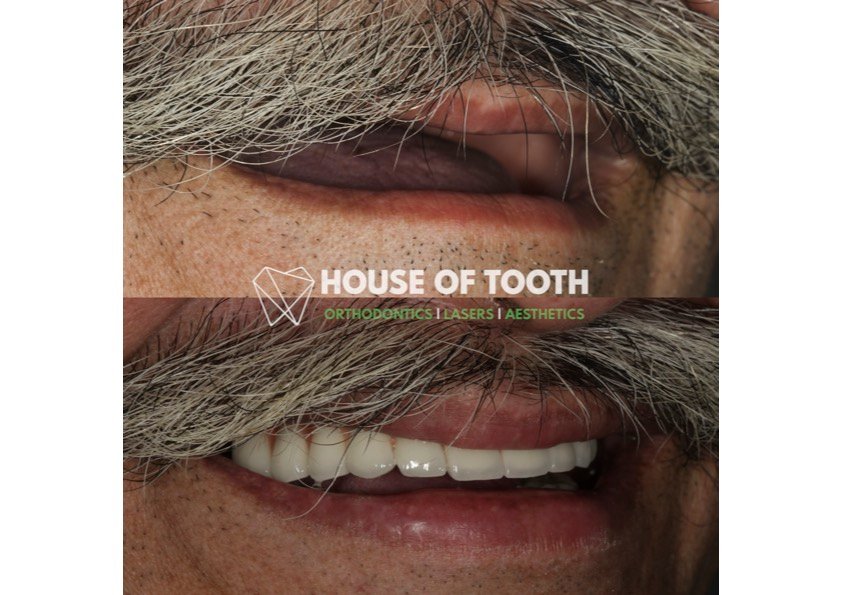
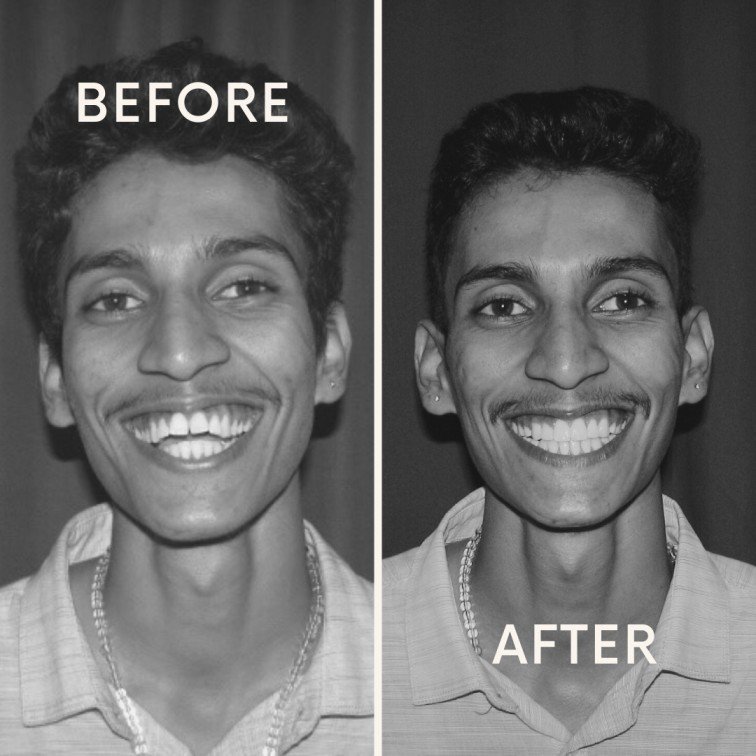
We’ve documented full-arch cases including one completed in about a week, and you can read more about the procedure on our dental implant and full mouth rehabilitation pages.
Frequently asked questions
How painful is dental implant recovery? Most patients describe it as less uncomfortable than a difficult extraction. The soreness peaks in the first two or three days and usually responds to ordinary painkillers.
How long until I can go back to work? Two to three days for most desk-based jobs. Longer if your work is physically demanding or you’ve had multiple implants placed.
When can I eat normally again? Soft food for the first week, then gradually back to normal over the next week. Avoid chewing hard things directly on the site until we’ve checked it.
How long does dental implant recovery take in total? The gum heals in about two weeks. The implant integrating with bone takes three to six months, and the final crown goes on after that.
Is swelling after an implant normal? Yes, and it usually peaks on day two or three rather than immediately. Swelling that’s still growing after day four is worth a call.
Can I smoke after getting an implant? You shouldn’t. Smoking is the single biggest controllable risk factor for implant failure. At the very least, stop for the first two weeks.
Can I brush around the implant? Brush your other teeth as normal from day one, and leave the site alone until we say otherwise — usually at the check-up a week or so later.
What if the implant fails? Early failure is uncommon. When it happens the implant is removed, the site heals for a few months, and a new one can usually be placed. Ask any clinic what their policy is before you start.
Do I need antibiotics? Sometimes. We’ll prescribe them if your case warrants it. If you’re given them, finish the course.
Does an implant set off airport metal detectors? No. Titanium implants are far too small to trigger them.
Book a consultation
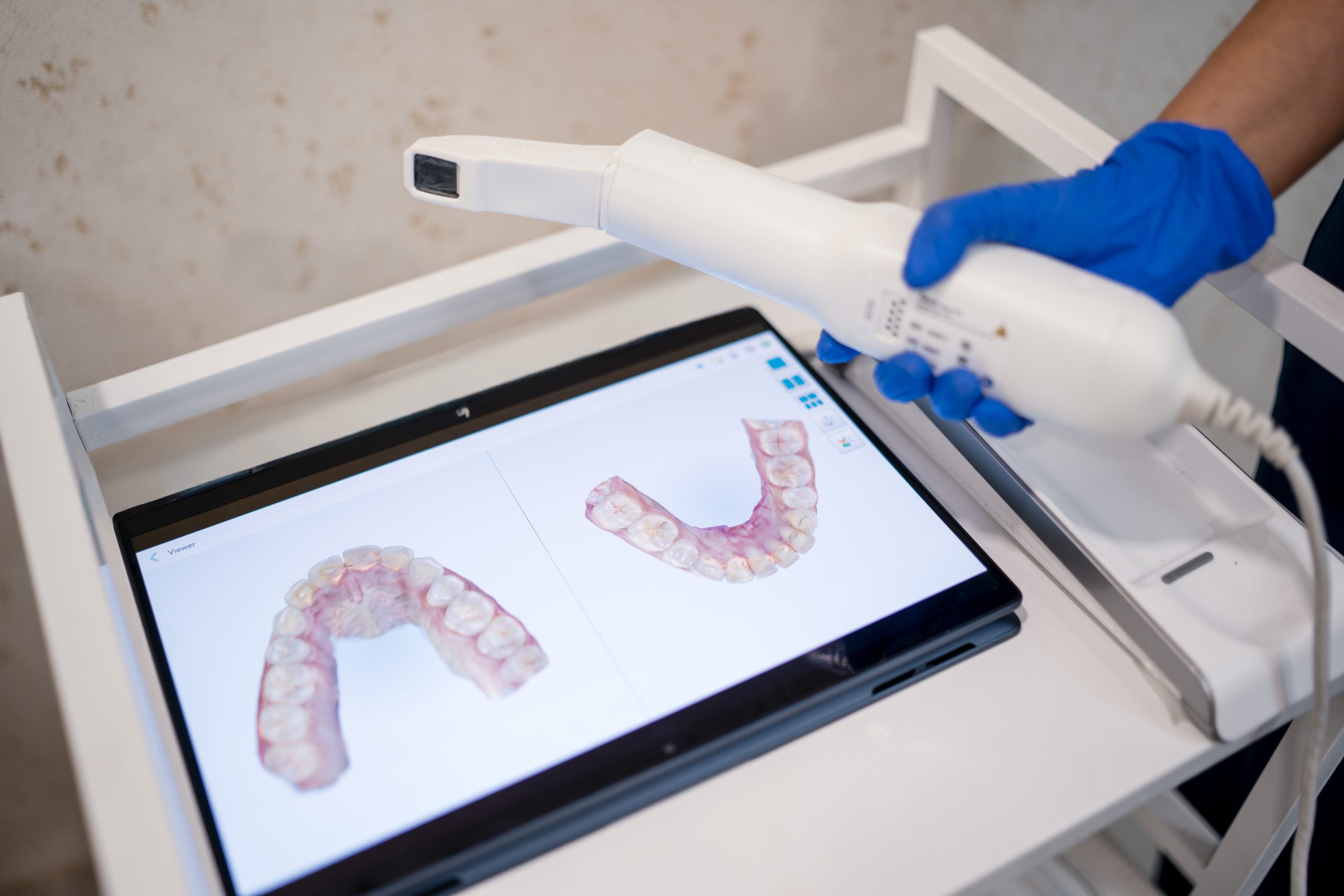
We plan every implant case on a 3D CBCT scan before any surgery, so you’ll see the plan before you commit to anything.
House of Tooth, Lane No. 4, behind Balewadi High Street, Baner, Pune 411045. Open Monday to Saturday 10 am – 8 pm, Sunday 10 am – 7 pm. Call or WhatsApp +91 70196 02137, or book online.
About the author. Dr. Aniket Kasodekar is BDS, MDS with a Fellowship in Lasers and leads House of Tooth in Baner, Pune. He plans implant cases with 3D CBCT and guided surgery.