Skip to content
 Dental Bridge vs Implant: Which Is Better for a Missing Tooth?
When you’re missing one tooth, the choice usually comes down to a dental bridge vs implant. Both give you a fixed tooth that you don’t take out at night. Both look natural when they’re done well. The big difference is what they ask of the teeth around the gap, and what happens to your jaw bone over time.
Here’s how each works and how we help patients decide.
How a bridge works
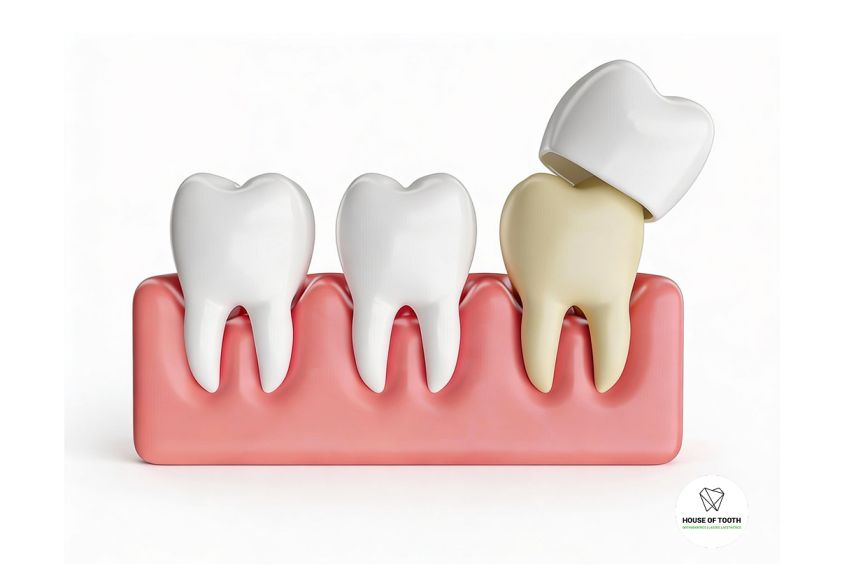
A bridge uses the teeth on either side of the gap as anchors. The dentist shapes those two teeth down so crowns can fit over them, and attaches a false tooth between the two crowns. The whole thing is one piece, cemented in place.
What’s good about it: – No surgery. – Usually done in a couple of weeks. – Works well when the teeth on either side already need crowns, for example because they have large fillings.
What it costs you: – The dentist removes healthy enamel from the two anchor teeth. You can’t undo that. – You can’t floss between the teeth normally. You’ll need a threader or a special floss to clean under the false tooth. – The bone under the false tooth keeps shrinking slowly, because nothing is stimulating it. – If one anchor tooth gets decay or needs a root canal later, the whole bridge often has to come off.
How an implant works
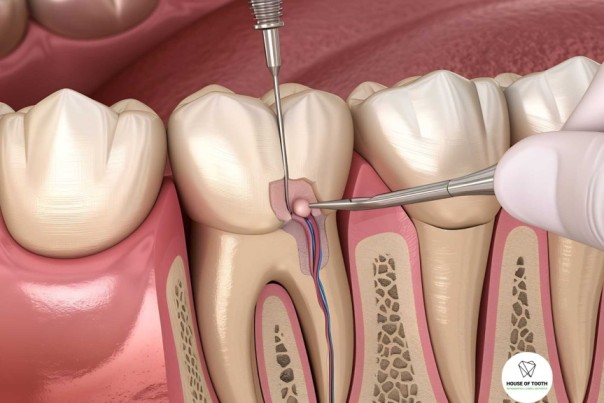
An implant replaces the root. The dentist places a small titanium post in the jaw bone where the tooth used to be. Over a few months the bone bonds to it. Then we fit a crown on top.
What’s good about it: – The teeth on either side are left alone. – You clean it and floss around it much like a natural tooth. – It helps keep the bone in that area, because chewing forces pass into the jaw the way they do with a real root. – If something goes wrong with a neighbouring tooth, it doesn’t affect the implant.
What it asks of you: – A minor surgical procedure, done under local anaesthetic. – More time: usually a few months from placement to the final crown, longer if bone grafting is needed first. – Enough healthy bone, or a graft to build it up. – Good general health. Uncontrolled diabetes and heavy smoking raise the risk of problems.
If you’re wondering what the healing actually feels like, our day-by-day guide to implant recovery covers it.
Dental bridge vs implant at a glance
| Bridge | Implant | |
|---|---|---|
| Surgery | No | Yes, minor |
| Time to finish | About 2 weeks | Usually 3–6 months |
| Neighbouring teeth | Shaped down for crowns | Untouched |
| Bone under the gap | Keeps shrinking slowly | Largely maintained |
| Cleaning | Floss threader needed | Like a natural tooth |
| If a neighbour has a problem | Bridge often has to be redone | Not affected |
When a bridge is the better choice
A bridge can make more sense when:
- The teeth on either side already have large fillings or crowns. Crowning them is a benefit, not a cost, and you get the gap filled at the same time.
- There isn’t enough bone for an implant and you’d rather not have a graft.
- You have a medical reason to avoid surgery.
- You need it finished quickly, for example before an event or a move.
When an implant is the better choice
An implant is usually our first suggestion when:
- The teeth either side are healthy. Cutting down two good teeth to replace one is a big trade.
- You’re younger. You’ll have the replacement for decades, and keeping your bone matters more the longer you’ll need it.
- The gap has been there a while and bone is starting to shrink. Waiting longer only makes that worse.
Don’t leave the gap
Whichever you choose, don’t leave a missing tooth for years. The teeth on either side tend to tip into the space. The tooth above or below can drift up or down into it. Over time that changes your bite and makes any replacement harder.
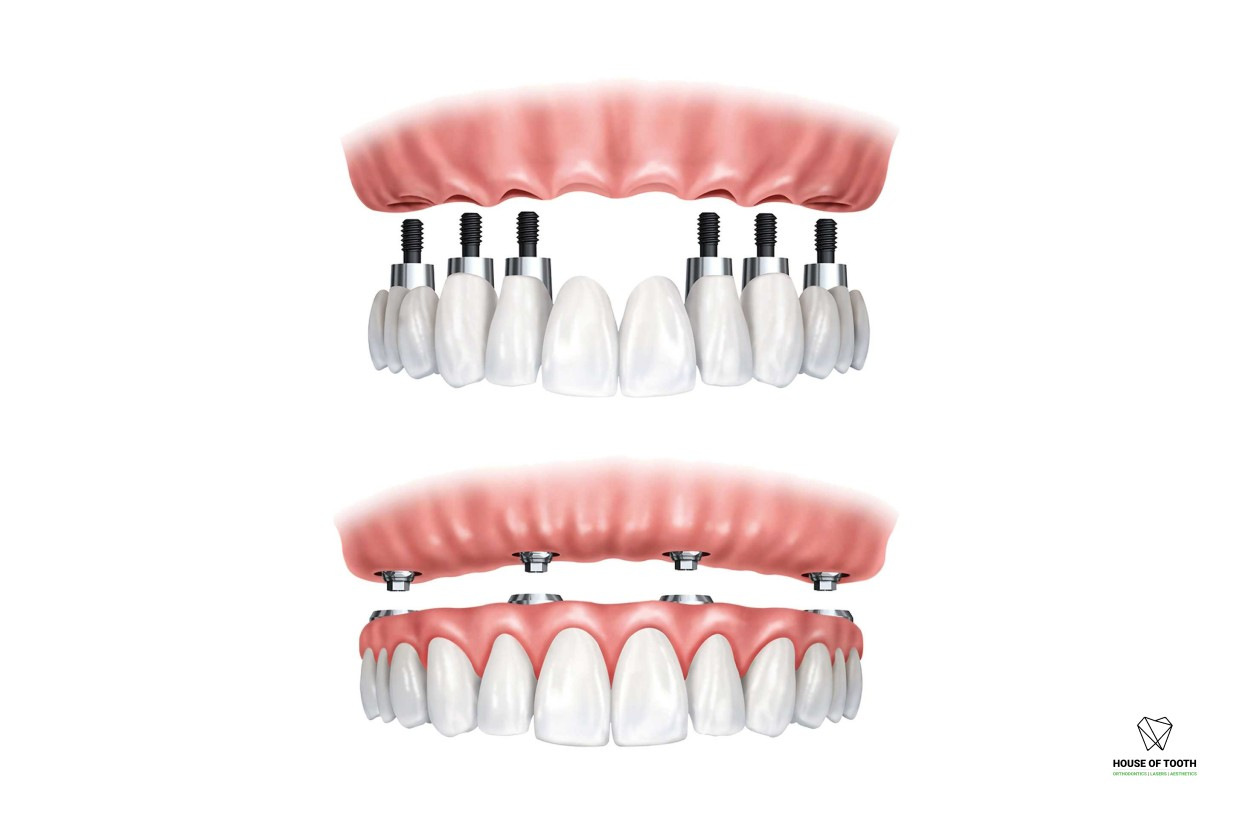
If you’re missing several teeth, the options are different again. Our post comparing implants and dentures covers larger gaps, and our full mouth rehabilitation page covers replacing most or all teeth.
How we help you decide
At the consultation we look at the teeth either side of the gap, your gums, your bite and your general health. For implants we use 3D CBCT imaging to see exactly how much bone there is and where the nerves and sinuses sit. Then we explain both options for your mouth specifically, including how long each takes, and you decide.
Common questions
Which lasts longer? With good care, both can last many years. A bridge depends on the health of its anchor teeth, so it’s more exposed to decay and gum problems. An implant doesn’t decay, but the gum and bone around it still need looking after.
Is an implant painful? Most people are surprised how manageable it is. The procedure is done under local anaesthetic, and the discomfort afterwards is usually less than an extraction.
Can I have a bridge on implants? Yes. When several teeth in a row are missing, two implants can support a bridge across the gap, so no natural teeth need to be cut down.
Book a consultation
If you have a gap you’ve been meaning to deal with, come in and we’ll go through both options for your mouth.
House of Tooth, Lane No. 4, behind Balewadi High Street, Baner, Pune 411045. Open Monday to Saturday 10 am – 8 pm, Sunday 10 am – 7 pm. Call or WhatsApp +91 70196 02137, or book online. Read more about dental implants and crowns and bridges.
About the author. Dr. Aniket Kasodekar is BDS, MDS with a Fellowship in Lasers, and leads House of Tooth in Baner, Pune.